
Microneedling with RF vs. PRP: What’s the Difference?

Looking for a way to treat wrinkles, age spots, hyperpigmentation, or scarring? Microneedling is a minimally invasive skin rejuvenation treatment that effectively targets a variety of skin concerns. By creating controlled micro-injuries, this procedure stimulates the body’s natural healing process, boosting collagen production to reduce signs of aging and improve overall skin texture and tone.
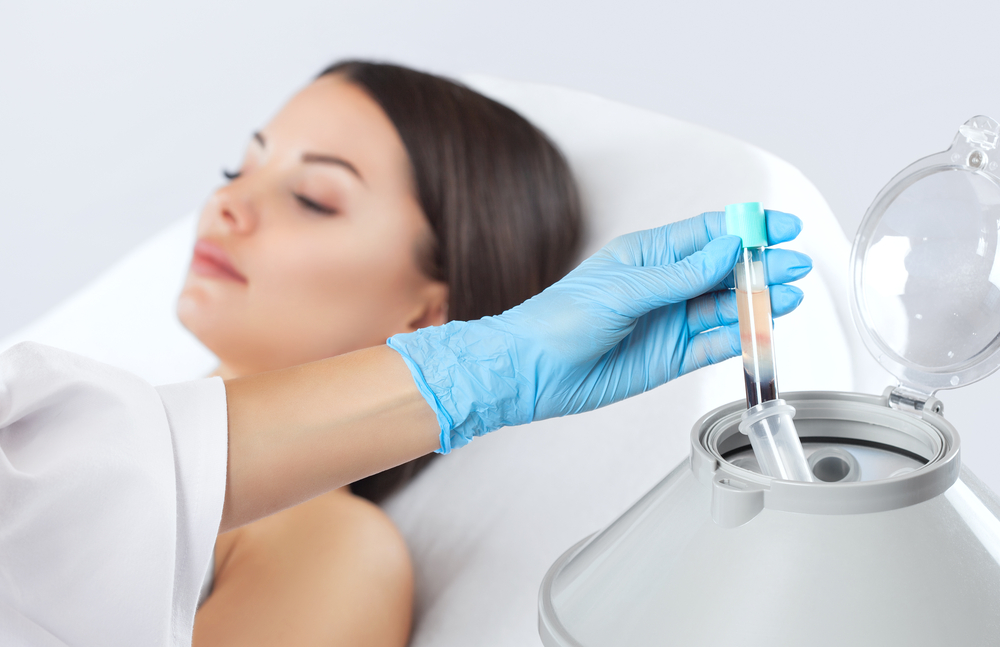
What Is Platelet-rich Plasma (PRP)

Platelet-Rich Plasma (PRP) is a concentrated component of blood that contains a higher-than-normal level of platelets, rich in growth factors essential for healing and tissue regeneration. While platelets are known for their role in clotting, they also help stimulate collagen production and repair damaged tissues. To prepare PRP, a small blood sample is drawn and processed through centrifugation to separate and concentrate the platelets. The resulting plasma is then injected into specific areas to promote natural healing and rejuvenation. PRP is commonly used in aesthetic and medical treatments for its regenerative benefits and minimal risk.

Traditional Microneedling

Traditional microneedling uses a device that creates microscopic punctures on the outer layer of your skin, stimulating the skin’s natural healing process. These micro-injuries result in the production of elastin and collagen, which work to thicken your skin and reduce the appearance of:
  • Acne scarring
  • Fine lines and wrinkles
  • Sun damage
  • Irregular skin texture and tone

Innovative treatments combine microneedling with radiofrequency (RF) energy and/or platelet-rich plasma (PRP) to dramatically enhance the benefits of traditional microneedling.

PRP Microneedling

The procedure for PRP microneedling is similar to a traditional microneedling treatment with the enhancement of adding platelet rich plasma. While you are getting the microneedling, we also apply PRP to the skin. Platelets are one of the components of blood, located in the plasma and are vital for healing injuries. PRP microneedling is most commonly used for facial rejuvenation, but can also be used on the neck, chest, or hands.

Pros of PRP Microneedling

  • Boosts the effects of traditional microneedling
  • Allows deeper penetration of nutrients
  • Minimizes duration of post-treatment redness and swelling

Pros of PiXel8-RF

  • Enhances skin tightening and scar reduction effects of traditional microneedling
  • Completely customizable – micro-needle depth and the amount of energy can be adjusted as needed
  • Low risk of post-inflammatory hyperpigmentation (PIH) in dark skin tones
  • A wider range of applications (crepy skin tightening, stretch mark reduction, and jowl and eyebrow lifting)
  • Is often also done with PRP

A few of the benefits to this treatment are:

  • Increased collagen production

  • Reduced wrinkles + fine lines

  • Reducing sun damage

  • Tightening + toning the skin

  • Reducing acne damage + scarring

  • Producing healthier skin

  • Lessening dark under-eye circles

  • Minimizing crow’s feet

Which Microneedling Treatment is Best for Me?

The best treatment for you depends on your specific skin concerns. If you’re looking for a microneedling option that can be customized to target fine lines, wrinkles, and skin laxity, radiofrequency-assisted microneedling may be an ideal choice. To determine the most suitable approach for your unique needs, it’s important to schedule an in-person consultation with a qualified skincare professional who can assess your skin and guide you through your treatment options.

Visia Skin Analysis FAQ’s

The process is smooth and easy that takes only 10 to 20 minutes to complete.


Since it is a non-invasive procedure, there is no pain and discomfort during the analysis.

It determines the precise treatment approach for your specific concern. Through this evaluation, a unique skin care plan can be created.

It is an easy procedure that can be performed at doctor’s office.

Euromed has a competitive cost that is revealed at your pre-op meeting with the therapist.

Visia is generally performed for once for diagnostic purposes, but sometimes you may need to undergo more analysis processes to monitor the progress of your undergoing treatments.